
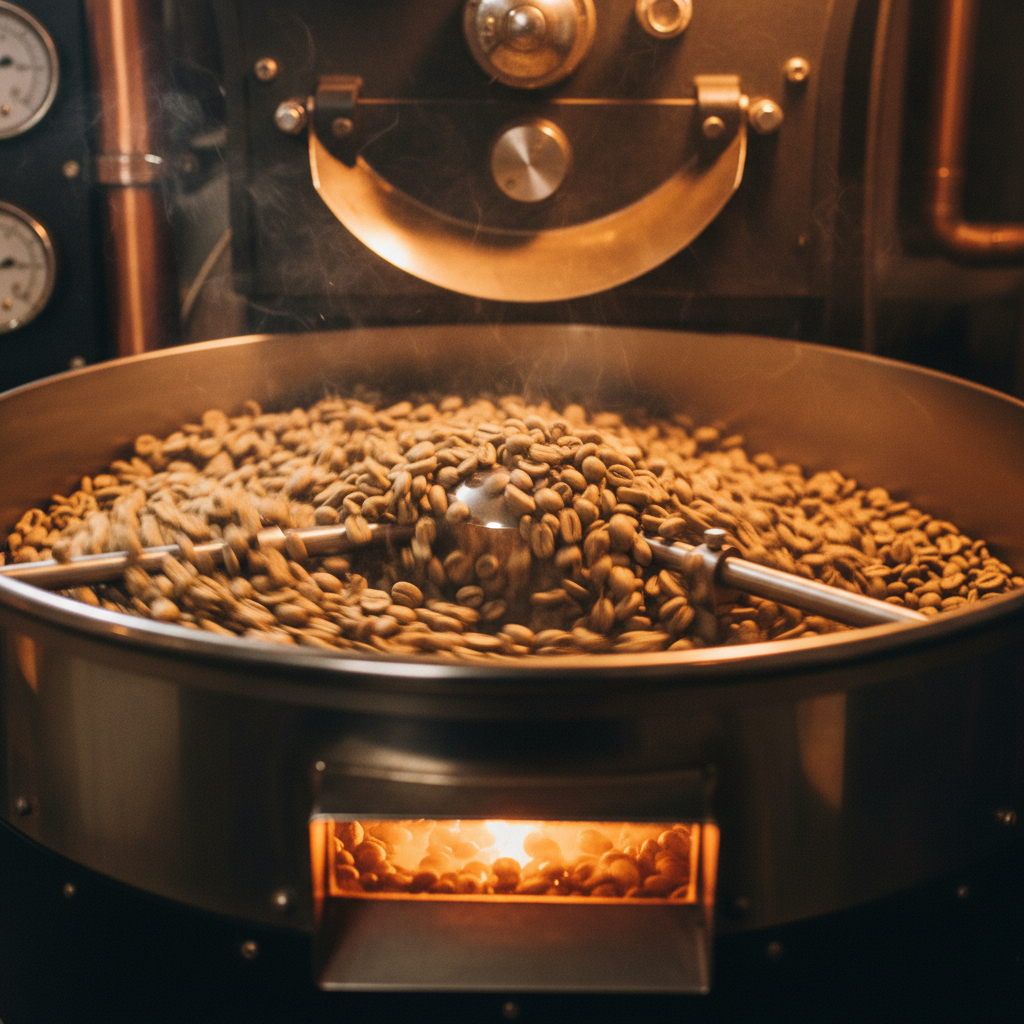
Why House-Roasted Coffee Matters: From Green Bean to Your Cup
Most coffee drinkers in the East Village have strong opinions about their beans — but few think about when those beans were actually roasted. Walk into any bodega between Avenue A and 2nd Avenue and you'll find pre-ground coffee that may have been roasted weeks or months ago. The difference between that and a cup pulled from beans roasted days ago is like the difference between canned tomatoes and ones picked from the Union Square Greenmarket that morning.
The Freshness Window Most People Miss
Coffee beans reach peak flavor between 3 and 14 days after roasting. After that, the volatile aromatic compounds that give coffee its complexity begin to fade. By the time most commercial beans reach a grocery shelf on East 14th Street or a chain café on 3rd Avenue, they're often 30 to 90 days past roast — technically still drinkable, but missing the bright, nuanced flavors that make specialty coffee worth seeking out.
This is the fundamental problem that house-roasting solves. When a café like Acro Coffee on 1st Avenue roasts its own beans, the journey from roaster to cup is measured in days, not months. That's not marketing — it's chemistry.
What Happens During Roasting
Green coffee beans are dense, grassy, and virtually flavorless. The roasting process — which typically takes 10 to 15 minutes at temperatures between 370°F and 540°F — triggers a cascade of chemical reactions. The Maillard reaction creates hundreds of new flavor compounds. Caramelization develops sweetness. First crack (around 385°F) marks the transition from light to medium roast, where origin flavors shine brightest.
A roaster who works directly above their café — as Acro does here in the East Village — can dial in profiles for each origin, adjusting for humidity on a sticky August day near Stuyvesant Town or a dry winter morning when the wind whips down from Gramercy. These micro-adjustments are impossible for a commercial roastery shipping nationwide.
The House-Roasted Advantage
Beyond freshness, in-house roasting creates a direct feedback loop. When a barista pulls a shot that tastes off, they can walk to the roaster and adjust. When a new single-origin arrives from Ethiopia or Colombia, they can experiment with roast profiles and offer the result the same week. This kind of agility is what makes neighborhood roasters different from the big operations in Red Hook or Long Island City.
At Acro, this shows up in the cup. Their flat white with oat milk — the shop's most-ordered drink — delivers a smooth, rich flavor that regulars describe as "never bitter." The house-made syrups complement rather than mask the coffee, which only works when the base espresso has real character to begin with.
How to Taste the Difference Yourself
Next time you're walking past Tompkins Square Park, try a simple experiment. Order a black coffee or espresso from a house-roasting café, and pay attention to the first sip. You should notice brightness — a slight acidity that lifts the flavor rather than sitting heavy. You might taste fruit, chocolate, or floral notes depending on the origin. Compare that to a chain espresso and the difference is immediately obvious.
The same principle applies to lattes and flavored drinks. House-roasted beans provide a stronger foundation, so the milk and syrups enhance rather than cover up the coffee. It's why Acro's iced vanilla latte has become a neighborhood staple — the house-roasted base gives it depth that mass-produced alternatives can't match.
Frequently Asked Questions
How long do freshly roasted beans stay good?
Peak flavor is 3–14 days post-roast for espresso, and up to about 30 days for filter coffee. After that, the beans are still safe to drink but will taste flatter and less complex. House-roasters like Acro typically serve beans within this optimal window.
Is house-roasted coffee more expensive?
Not necessarily. While specialty coffee costs more than diner coffee, house-roasting can actually reduce costs by cutting out wholesale markups. Acro offers competitive prices and a rewards program that makes regular visits even more affordable.
Key Takeaways
- Coffee peaks 3–14 days after roasting — house-roasters serve within this window.
- In-house roasting enables real-time quality adjustments that commercial roasteries can't match.
- The East Village has a growing house-roasting scene, with Acro Coffee leading the way on 1st Avenue.
- You can taste the difference — try a black espresso from a house-roaster vs. a chain and compare.
Curious about our roasting program? Explore our coffee menu and taste the freshness.
Visit Acro Coffee at 213 1st Ave or get directions.